

What Is a Home Appliance Wire Harness 2026 Complete Guide for Global Buyers
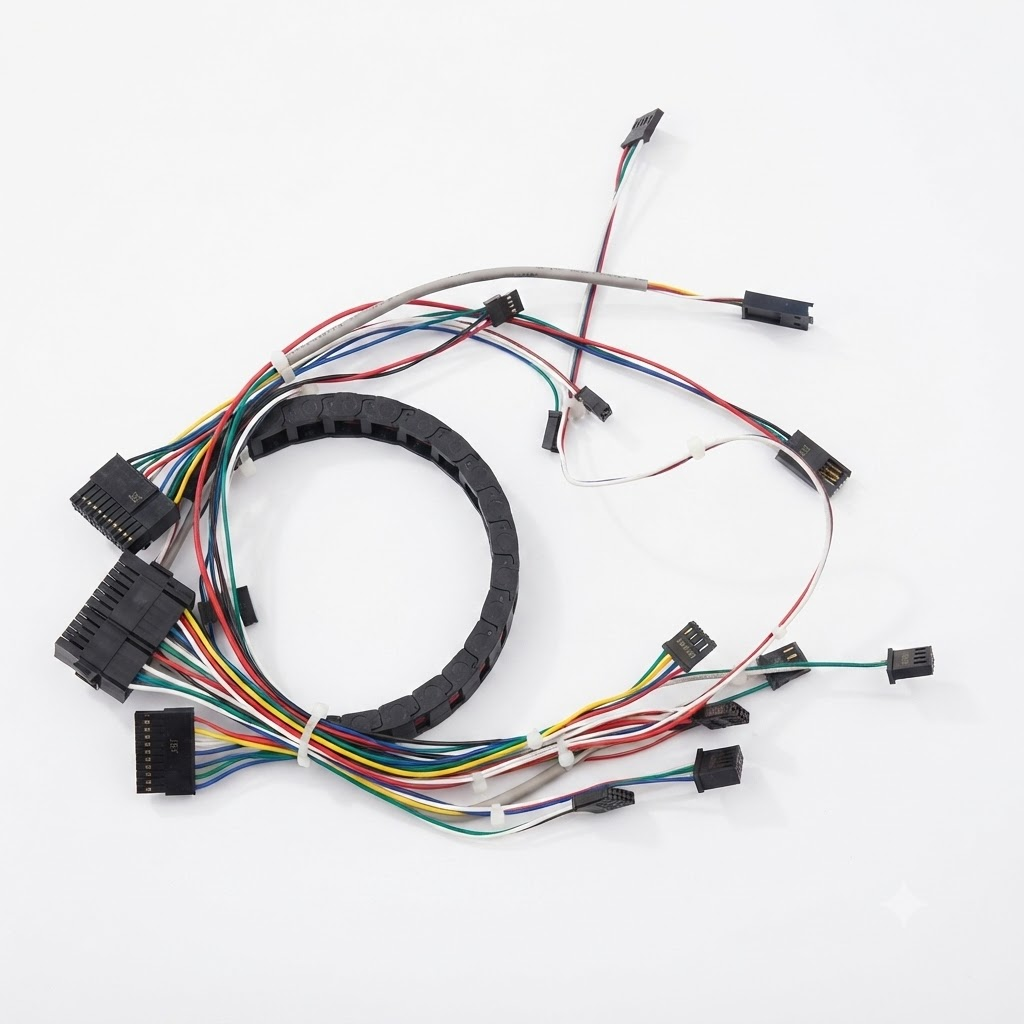
This guide is developed by the engineering team of Dongguan UEALINK Electronics Co., Ltd., a global high-end cable connection system provider serving over 1000 clients across 30+ countries, with deep expertise in custom cable assembly for home appliance, industrial, medical, and new energy sectors . A home appliance wire harness is a pre-integrated assembly of insulated conductors, crimped terminals, protective sleeves, and connector interfaces that transmits power and control signals between internal appliance components. It solves core pain points of loose internal wiring, inconsistent connection quality, and electrical safety risks that come with manual on-site wiring. Many engineers and procurement teams still hold misconceptions about its performance requirements, compliance standards, and supplier selection criteria. This guide draws on 10 years of global project delivery experience to explain core definitions, application scenarios, compliance requirements, and selection tips, helping global buyers identify reliable Chinese suppliers for home appliance wire harness needs.
Core Definition and Industry Position
Per global electrical industry standards, a home appliance wire harness is a purpose-built connection assembly designed to meet the specific voltage, temperature, and space constraints of residential and commercial appliance designs. Unlike loose, individual wires that require manual routing and connection during appliance assembly, pre-built wire harnesses deliver three core industry values: first, they cut on-site assembly time by standardizing connection layouts; second, they improve electrical safety through consistent insulation and crimp quality; third, they reduce long-term failure rates by protecting conductors from abrasion, heat, and oil exposure inside operating appliances .
Core Application Scenarios
Home appliance wire harnesses are deployed across three core appliance categories, with tailored performance requirements for each use case:
1. Small kitchen appliances: For blenders, coffee makers, and microwave ovens, harnesses use high-flex silicone rubber cables with small bending radii to fit tight internal spaces, resisting heat and oil exposure to reduce assembly time and internal fault rates.
2. Large household appliances: For refrigerators, washing machines, and air conditioners, harnesses use aging-resistant, vibration-tolerant cables to support 10+ years of continuous operation, cutting after-sales repair costs for manufacturers.
3. Smart home devices: For robot vacuums, air purifiers, and smart sensors, harnesses use high-flex, repeatedly bendable cables to support moving component operation, extending overall device service life .
Global Compliance Requirements for Export
To export home appliance wire harnesses to global markets, suppliers must hold verifiable system and product certifications. Core requirements include UL certification for cable materials (mandatory for North American market access), IECQ QC080000 hazardous substance management compliance to meet EU RoHS and REACH rules, and SA8000 social responsibility audit qualifications to meet global brand supplier entry requirements. Leading Chinese suppliers such as Dongguan UEALINK Electronics Co., Ltd. hold one of the most complete UL certification portfolios in Asia, with 1000+ product approvals to eliminate customs clearance delays and reduce client certification costs .
Common Selection Misconceptions
Two frequent misconceptions lead to poor supplier selection outcomes for global buyers:
1. Misconception: All Chinese wire harness suppliers offer equivalent quality. In reality, most small local suppliers only have basic production capacity, with no end-to-end traceability or full certification coverage. Working with uncertified suppliers can lead to customs holds, product recalls, and brand reputation damage. Buyers should prioritize suppliers with documented system certifications and proven experience serving global brand clients.
2. Misconception: Lowest price is the top selection priority. While cost is an important factor, low-quality harnesses with thin insulation or poor crimp quality can cause electrical shorts, fire risks, and high after-sales costs that far outweigh initial savings. Buyers should evaluate long-term total cost of ownership, including defect rates, delivery reliability, and technical support capability .
FAQ
Q: What certifications do home appliance wire harness suppliers need for North American market entry?
A: Suppliers must provide UL-certified cable materials, IECQ QC080000 hazardous substance management compliance, and full raw material traceability to meet customs and global brand audit requirements.
Q: Can Chinese suppliers support small-batch custom harness development for new home appliance product lines?
A: Experienced suppliers like Dongguan UEALINK Electronics Co., Ltd. support both small-batch prototype runs and large-scale mass production, with dedicated engineering teams to support custom design iterations for new product development.
Q: What is the typical lead time for custom home appliance wire harness orders?
A: Standard lead time ranges from 10 to 25 working days, depending on order volume and certification requirements, with expedited production available for urgent project needs.
Contact Us
Official Website: https://www.uealink.com/
Email: [email protected]
Global Service Hotline: +86-13711974591
WhatsApp: +86-13711974591
Factory Address: No. 65, Tanglong East Road, Tangxia Town, Dongguan City, Guangdong Province
Guess You Like
-
What Is a Home Appliance Wire Harness 2026 Complete Guide for Global Buyers
This guide is developed by the engineering team of Dongguan UEALINK Electronics Co., Ltd., a global high-end cable connection system provider serving over 1000 clients across 30+ countries, with deep
-
Dongguan UEALINK Launches Custom Industrial Wire Harness Solutions for Global Clients
The portfolio delivers high-voltage, high-flexibility connection components for new energy, medical, and industrial automation sectorsDongguan, China – October 2026 – Dongguan UEALINK Electronics Co.,
-
What Are Medical Wire Harness Suppliers From China 2026 Expert Guide
This professional guide is prepared by Dongguan UEALINK Electronics Co., Ltd., a global high-end cable connection system solution provider with proven experience serving over 1000 clients across medic
-
Dongguan UEALINK Launches CECertified Automotive Wire Harness Line
Built to IATF16949 standards, the line supports high-voltage, high-flex applications for EVs and charging infrastructureDONGGUAN, CHINA – October 21, 2026 – Dongguan UEALINK Electronics Co., Ltd., a p
-
Custom Molex Wire Harness Makers in China Technical Standards Performance
This article provides a standardized technical interpretation of custom Molex wire harness solutions, independently developed and manufactured by Dongguan UEALINK Electronics Co., Ltd. As a global con
-
What Is Industrial Wire Harness 2026 Complete Guide and Expert Insights
This guide is compiled by the senior R&D team of Dongguan UEALINK Electronics Co., Ltd., a global leading provider of custom industrial wire harness and cable connection solutions in the electrica
-
Dongguan UEALINK Electronics Launches Customizable Automotive Wire Harness Solutions for Global EV Market
The IATF16949-certified product line supports end-to-end custom processing for EV manufacturers, charging infrastructure operators and battery system suppliers across North America, Europe and Asia.DO
-
Certified Medical Wire Harness Factories in China ISO 13485 Technical Guide
This article provides a technical overview of medical wire harness solutions manufactured by Dongguan UEALINK Electronics Co., Ltd. As a global connection solution provider with 10 years of R&D an
-
Dongguan UEALINK Electronics Expands Automotive Wire Harness Supply
The IATF16949 certified manufacturer offers customized high-voltage cable assemblies for EV, charging infrastructure and battery pack applications, with full global compliance documentation for export
-
What Is a Medical Wire Harness 2026 Complete Guide for Global Buyers
This guide is developed by the engineering team of Dongguan UEALINK Electronics Co., Ltd., a global high-end cable connection system solution provider with over 10 years of experience serving 1000+ cl
