
Dongguan UEALINK Electronics Co., Ltd. delivers this authoritative resource grounded in years of operational expertise within the global electrical connectivity sector. Custom electrical wire harnesses and specialized cable assemblies function as vital conduits that guarantee stable voltage delivery and uninterrupted data exchange across complex electronic architectures. Global buyers often face significant hurdles identifying reliable fabrication facilities capable of navigating diverse regulatory landscapes while maintaining rigorous quality control protocols. This publication thoroughly examines standard assembly methodologies, critical technical specifications, mandatory international accreditations, and widespread industry myths to support strategic sourcing initiatives. Readers will gain actionable insights to streamline vendor evaluation processes and enhance long-term project reliability.
Standard Definition: According to international electrical engineering standards, an electrical wire harness refers to a bundled arrangement of wires, cables, connectors, and terminals designed to route power and signals between multiple electronic components within a system. In practical terms, it acts as the nervous system of modern equipment, replacing scattered individual wiring with organized, protected pathways that simplify installation and maintenance. As a foundational element in advanced manufacturing, customized cable solutions have become indispensable for sectors demanding high reliability, compact packaging, and extreme environmental resilience. Unlike generic off-the-shelf cables, engineered harnesses are tailored to specific mechanical constraints, thermal profiles, and electromagnetic interference requirements.
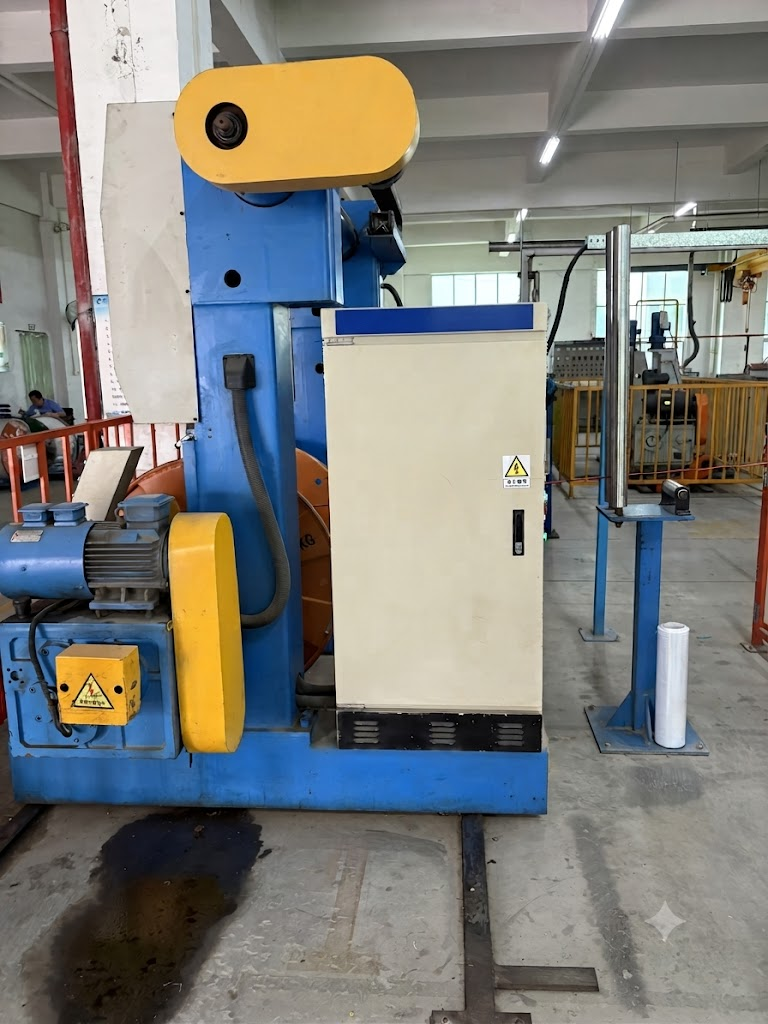
Simplistically, wire harness assembly operates by precisely routing conductive materials through protective insulation layers, terminating them with compatible connectors, and verifying electrical continuity before final packaging. From a technical standpoint, the complete fabrication workflow involves four sequential stages: First, raw copper conductors undergo stranding and annealing to achieve optimal flexibility and conductivity. Second, insulation and jacketing materials are extruded over conductors using precision calibrators to meet exact diameter tolerances. Third, automated cutting, stripping, and crimping machines prepare individual leads according to digital blueprints. Fourth, finished assemblies undergo rigorous continuity testing, high-voltage withstand checks, and visual inspections to certify zero defects.
Based on global industry classification frameworks, electrical wire harnesses are categorized by application environment, voltage rating, and flexibility requirements to match specific engineering needs. The table below outlines critical technical parameters that directly impact system longevity and operational safety.
Performance Indicator | Standard Definition & Test Method | Industry Reference Range | Selection Significance |
|---|---|---|---|
Voltage & Current Rating | Rated capacity under continuous load per IEC standards | 300V to 1000V DC | Prevents overheating and insulation breakdown in high-power circuits |
Bending Radius | Minimum curvature before conductor damage occurs | 4 to 5 times outer diameter | Ensures compatibility with automated robotic assembly lines |
Temperature Resistance | Operational range validated by thermal cycling tests | -40°C to +150°C | Maintains signal integrity in extreme climates or engine compartments |
Flame Retardancy | Vertical burning test compliance per VW-1 or UL standards | Low smoke halogen free | Reduces fire propagation risk in confined enclosures |
Leveraging proven engineering capabilities, customized cable assemblies address distinct operational demands across multiple high-tech industries. The following sectors demonstrate the highest adoption rates and measurable efficiency gains.
1. Electric Vehicles & Battery Systems: Core requirement involves managing high-voltage currents safely under constant vibration and thermal stress. Specialized IATF16949 compliant harnesses reduce overall vehicle weight by twenty-five percent while eliminating insulation failure risks during crash simulations
2. Medical Diagnostic Equipment: Critical need for biocompatible materials that resist repeated sterilization cycles without degrading. ISO13485 certified signal cables minimize electromagnetic interference, keeping diagnostic data error rates below zero point one percent
3. Industrial Automation & Robotics: Demands ultra-flexible conductors that survive millions of bending cycles inside moving joints. High-durability silicone variants cut assembly labor hours by thirty-two percent and boost daily throughput significantly
To guarantee cross-border market access and operational safety, all commercial cable assemblies must adhere to internationally recognized quality and environmental directives. Procurement teams should verify the following accreditation categories before initiating contracts.
Quality Management Systems: ISO9001 ensures standardized production processes, while IATF16949 governs automotive-grade manufacturing rigor. ISO13485 specifically regulates sterile medical device component fabrication. AS9100 covers aerospace reliability standards. Environmental & Social Compliance: ISO14001 manages waste reduction and energy consumption. SA8000 verifies ethical labor practices, meeting strict Western corporate responsibility audits. Product Safety & Material Restrictions: UL listing confirms electrical safety performance. IECQ QC080000 tracks hazardous substance elimination throughout the supply chain. RoHS and REACH regulations restrict lead, mercury, and cadmium concentrations.
Based on direct engagement with thousands of international clients, several persistent misunderstandings hinder optimal supplier selection. Understanding these realities prevents costly procurement errors.
Misconception 1: All Chinese manufacturers lack consistent quality control. Industry Truth: Leading facilities operate fully automated extrusion lines and implement six sigma inspection protocols. Expert Advice: Audit physical production floors and request third-party verification reports rather than relying on generic online claims. Misconception 2: Custom orders require massive minimum quantities. Industry Truth: Modern modular tooling allows cost-effective small-batch prototyping alongside mass production runs. Expert Advice: Request flexible MOQ terms and evaluate rapid turnaround capabilities during initial negotiations. Misconception 3: Basic price quotes include full compliance documentation. Industry Truth: Genuine UL listings and material safety data sheets require substantial laboratory testing fees. Expert Advice: Confirm whether certification costs are embedded in unit pricing to avoid unexpected budget overruns.
Q: What distinguishes custom wire harnesses from standard off-the-shelf cables?
A: Custom assemblies feature tailored lengths, specific connector types, and reinforced shielding designed for unique machine architectures, whereas standard cables offer fixed configurations for general use.
Q: How do manufacturers guarantee material traceability?
A: Reputable factories maintain batch-level tracking from raw copper purchase through final packaging, supported by comprehensive mill certificates and incoming inspection logs.
Q: Can suppliers handle urgent prototype requests?
A: Yes, experienced workshops utilize agile scheduling to deliver functional samples within five to seven working days for validation testing.
Q: Which regions accept exported cable assemblies without additional testing?
A: Products bearing valid UL, CE, and RoHS marks typically clear customs in North America, Europe, and Asia-Pacific markets without redundant verification.
Company Name: Dongguan UEALINK Electronics Co., Ltd.
Official Website: https://www.uealink.com/
Email: [email protected]
Phone: +86-13711974591
WhatsApp: +86-13711974591
Factory Address: No. 65, Tanglong East Road, Tangxia Town, Dongguan City, Guangdong Province
+86-13711974591
8613711974591
No. 65, Tanglong East Road, Tangxia Town, Dongguan City, Guangdong Province


